Nvidia doubles revenue to $115.8B in its first report without Jensen Huang — and guides to $130B
Nvidia reported $115.8 billion in revenue for its fiscal third quarter on Tuesday, more than double the same quarter a year ago and roughly $7 billion above what Wall Street expected. It was the company’s first earnings report since co-founder Jensen Huang resigned as chief executive last week — and the first test of whether the chipmaker’s extraordinary run can survive without him. On the numbers, it passed. Interim chief executive Colette Kress, who is also the company’s finance chief, paired the beat with a raise: fourth-quarter revenue of $130 billion, plus or minus 3%, and a full-year fiscal 2028 growth outlook lifted to about 75%.
- The quarter: revenue $115.8B (+103% year on year, +20% quarter on quarter) for the quarter ended October 25, 2026; adjusted earnings $2.68 a share against $2.48 expected; GAAP net income $65.3B (+105%).
- The engine: Data Center revenue $107.6B (+110%). Hyperscale customers contributed $60.1B (+71%); AI Clouds, Industrial & Enterprise contributed $47.5B (+195%). Vera Rubin added nearly $20B of revenue from the prior quarter.
- The guide: Q4 revenue $130B ±3% against roughly $125B expected; gross margin 71–72% against 74.8% in Q3; the quarter has an extra week and assumes no Data Center compute revenue from China.
- The leadership: first report under interim CEO Colette Kress after Huang resigned on November 12. Chair Harvey Jones said the board unanimously accepted the resignation and does not intend to reinstate Huang, who stepped down after disclosure of personal behavior inconsistent with the company’s code of conduct.
- The returns: $28.1B returned to shareholders in the quarter — $22B in buybacks and $6B in dividends — with about $227.3B of buyback authorization remaining.
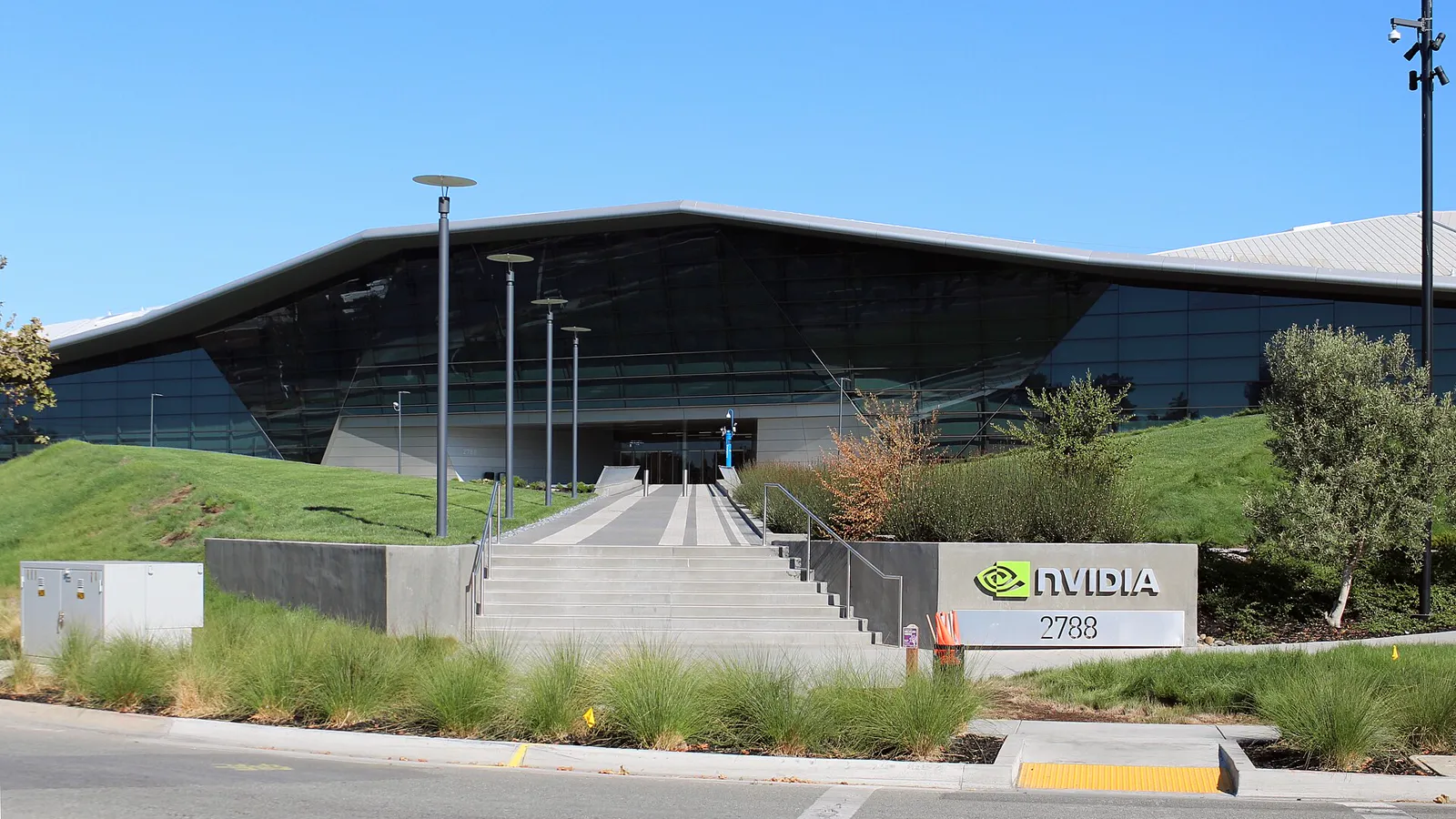
The report landed at 4:20 p.m. ET on Tuesday, with the earnings call an hour later, and it answered the question investors had been asking since November 12: can Nvidia keep printing these numbers with its founder gone? For one quarter, at least, the answer is yes — and then some. Revenue of $115.8 billion is the largest quarterly figure the company has ever reported, and the beat was broad: the top line, the profit, and the outlook all came in ahead of expectations.
That matters because this was never going to be a routine quarter. Nvidia is the company the whole AI trade is priced on, its stock had fallen sharply from its peak in the weeks since Huang’s departure, and the week’s other big AI-market event — Anthropic’s IPO pricing, expected Wednesday — was still ahead. A miss here would have been read as a verdict on the entire buildout. Instead, Kress delivered a beat and a raise, and then used the call to close the door on the leadership question.
The numbers#
Every line that mattered came in above expectations. The quarter ended October 25, so these results predate Huang’s resignation — the leadership change is a story about the future, not the quarter just reported — but the scale of the beat sets the bar for whoever takes over next.
| Measure | Q3 fiscal 2027 | Wall Street expected | A year ago |
|---|---|---|---|
| Revenue | $115.8B (+103%) | ~$109.1B | $57.0B |
| Adjusted EPS | $2.68 | $2.48 | $1.27 |
| GAAP EPS | $2.70 (+108%) | n/a | $1.30 |
| Data Center revenue | $107.6B (+110%) | ~$101.9B | ~$51B |
| Net income (GAAP) | $65.3B (+105%) | n/a | $31.9B |
| Gross margin (GAAP) | 74.8% | 74.0% | 73.4% |
| Q4 revenue forecast | $130B ± 3% | ~$125.1B | n/a |
The company had guided to $108.0 billion, plus or minus 2%, back in August, so the result beat its own forecast by nearly $8 billion. Adjusted earnings of $2.68 a share were up 111% from a year earlier, and net income of $65.3 billion is a record. Gross margin of 74.8% was slightly above the company’s August guidance of about 74%.
Where the growth actually came from#
Data Center is the story, and it is now nearly the whole company: $107.6 billion of the $115.8 billion total, or about 93%. The split inside that number is where the quarter gets interesting. Sales to hyperscale customers — the big cloud providers — were $60.1 billion, up 71% from a year ago. But sales to AI clouds, industrial and enterprise customers were $47.5 billion, up 195%, and accounted for the majority of the quarter’s data-center growth. The customer base is broadening beyond the handful of hyperscalers that built the first wave.

The other driver is Vera Rubin. Nvidia said its new platform added nearly $20 billion of revenue from the prior quarter, in its first quarter of production shipments — the fastest ramp of a new architecture the company has reported. That matters for the margin question below: Rubin is expensive hardware to build, and its mix is part of why the gross margin outlook steps down.
One footnote worth noting: the company’s CFO commentary says shipments of Data Center Hopper products to China were $2.4 billion in the quarter. The fourth-quarter outlook, by contrast, assumes no Data Center compute revenue from China at all — the same conservative assumption management has used since the export controls tightened.
The margin question#
The one number that did not beat was the one looking forward. Nvidia guided fourth-quarter gross margin to 71% to 72%, roughly three points below the 74.8% it just posted. That is a real step down, and it is the main reason the market had something to argue about after the headline beat.

There are two caveats to the $130 billion headline itself. First, the fourth quarter has an extra week — fourteen instead of thirteen — which flatters the growth rate: scaled back to a normal-length quarter, the guide implies roughly $121 billion rather than $130 billion. Second, the margin guide is the number to watch, not the revenue: if Rubin’s mix is the cause, margins should recover as the platform matures; if it is pricing pressure, the story is different. Nvidia did not break out the cause on the call.
What Kress did do was raise the longer-term bar. Nvidia now expects fiscal 2028 revenue to grow about 75%, up from the 70% it forecast in August — off a higher fiscal 2027 base. With nine months of fiscal 2027 revenue at $293.7 billion, the fourth-quarter midpoint puts the full year near $424 billion, and 75% growth on top of that implies fiscal 2028 revenue in the region of $740 billion. That is the number the bull case now rests on.
The leadership question, answered on the call#
The earnings call opened with the chair, not the numbers. Harvey Jones said the board unanimously accepted Huang’s resignation and does not intend to reinstate him as chief executive — a direct answer to the reports, days earlier, that Huang was weighing a comeback with allies’ support. Huang stepped down on November 12 after disclosure of personal behavior inconsistent with the company’s code of conduct, standards and cultural norms, in Jones’s words on the call.
Kress, who has been chief financial officer since 2013, led the call as interim chief executive. The release refers to an ongoing search for a permanent successor without naming a candidate. On the same day as the results, the board also established a standing committee to oversee national security and export controls — a nod to the regulatory pressure that has shadowed the company’s China business all year.
For now, the operating story is continuity: the same finance chief who built the guidance machine is running the company, the same customers are buying at record rates, and the board has drawn a line under the succession question. Whether that holds depends on the search, and on whether the next chief executive inherits a growth story or a margin story.
What to watch#
Three things matter next. First, the permanent CEO: the search is the single biggest open question at the company, and the board’s statement rules out the most obvious candidate. Second, the margin: whether the 71–72% guide is a one-quarter Rubin mix effect or the start of a lower plateau will show up in the next two reports. And third, the demand side: the 75% fiscal 2028 growth outlook assumes the AI buildout keeps accelerating into next year, with no China Data Center revenue in the forecast. If hyperscale spending pauses, that is the number that breaks first.
Sources: MLQ, “Nvidia results live: Kress raises fiscal 2028 growth outlook to 75%”; The Market MBA, “Nvidia Earnings: A Beat and Raise, but Margin Is the Catch”; RR Tech Pulse, “Nvidia earnings Q3 FY2027: $115.8B revenue”; MoreThanMoore, “NVIDIA Q3 FY27: A Record Quarter”.